

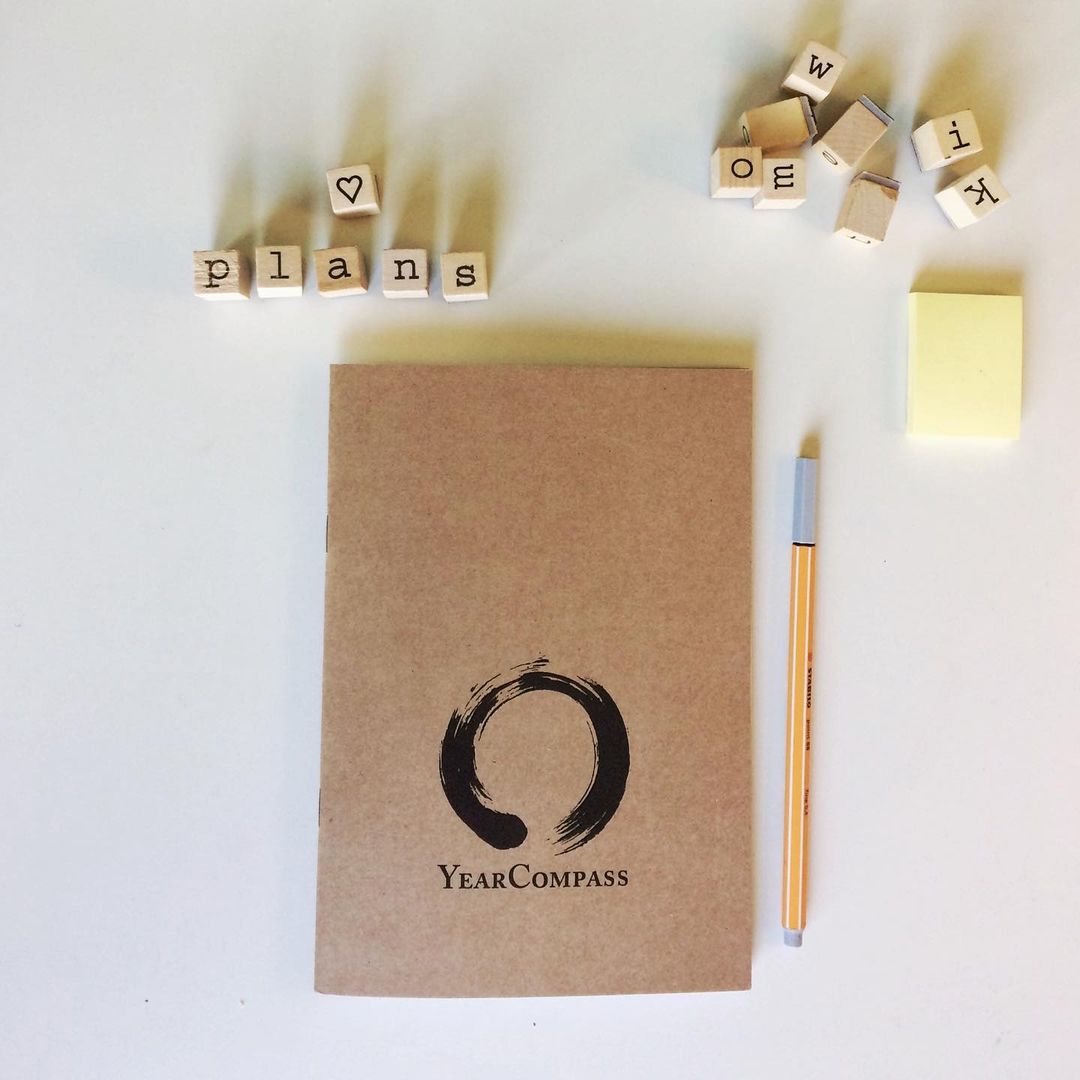
The Year Compass is a deceptively simple methodology that creates clarity.
Senior leaders and entrepreneurs are not short of ambition. They are short of time. Most operate in environments where decisions are continuous, consequences are significant, and reflection is postponed in the name of action. Yet after years of working with leaders across industries and geographies, I have learned a simple truth: action without reflection rarely leads to sustainable results.
Peter Drucker reminded us that effectiveness is not about effort. It is about choice. And choice requires clarity.
The Year Compass is a deceptively simple methodology that creates that clarity. It is not a goal-setting exercise. It is a leadership discipline.
Reflection is not indulgence. It is responsibility.
Many leaders confuse reflection with introspection for its own sake. In reality, reflection is a form of strategic diagnosis. Before deciding where to invest energy next year, leaders must first understand what actually happened this year.
What produced results? What consumed effort without impact? Where did we grow – and where did we merely stay busy?
The Year Compass forces leaders to confront facts, emotions, and patterns. Not to judge them, but to learn from them. In Drucker’s terms, it helps answer the most important management question: “What have I learned about my strengths, my contribution, and my blind spots?”
Without this step, planning becomes guesswork.
Growth starts with knowing what to stop
In innovation and business growth, we often focus obsessively on what to start next. New initiatives, new markets, new products. But seasoned leaders know that progress is just as much about what to stop.
The Year Compass creates a rare pause to examine commitments that no longer serve their purpose-projects that drain energy, roles that have outlived their relevance, ambitions that belong to a past version of ourselves.
This is uncomfortable work. Yet it is essential. Sustainable growth is not built on accumulation, but on discernment.
Values are not slogans. They are decision criteria.
Senior leaders rarely struggle to articulate their values. They struggle to use them.
The strength of the Year Compass lies in reconnecting values with lived experience. It asks not what you believe in, but how you actually behaved when trade-offs were required.
Did your calendar reflect your priorities? Did your decisions align with what you claim matters most?
This is where leadership becomes personal – and therefore powerful. When values become decision criteria, consistency follows. And consistency builds trust.
Designing the year ahead is not about goals
Traditional planning focuses on targets. The Year Compass focuses on commitments.
Commitments are different. They take into account energy, constraints, and reality. They recognise that leadership is not about doing everything, but about making a meaningful contribution where it counts most.
For entrepreneurs, this means resisting the temptation to chase every opportunity. For senior leaders, it means aligning strategy with personal leadership capacity.
The future is not predicted. It is shaped – starting with clear intent.
A quiet advantage in a noisy world
Completing the Year Compass will not make headlines. It will not impress on social media. But it will quietly improve the quality of your thinking, your decisions, and your leadership.
In a world that rewards speed, the ability to pause and reflect is a competitive advantage.
Serious leaders know this. They make the time—not because it is easy, but because it is necessary.